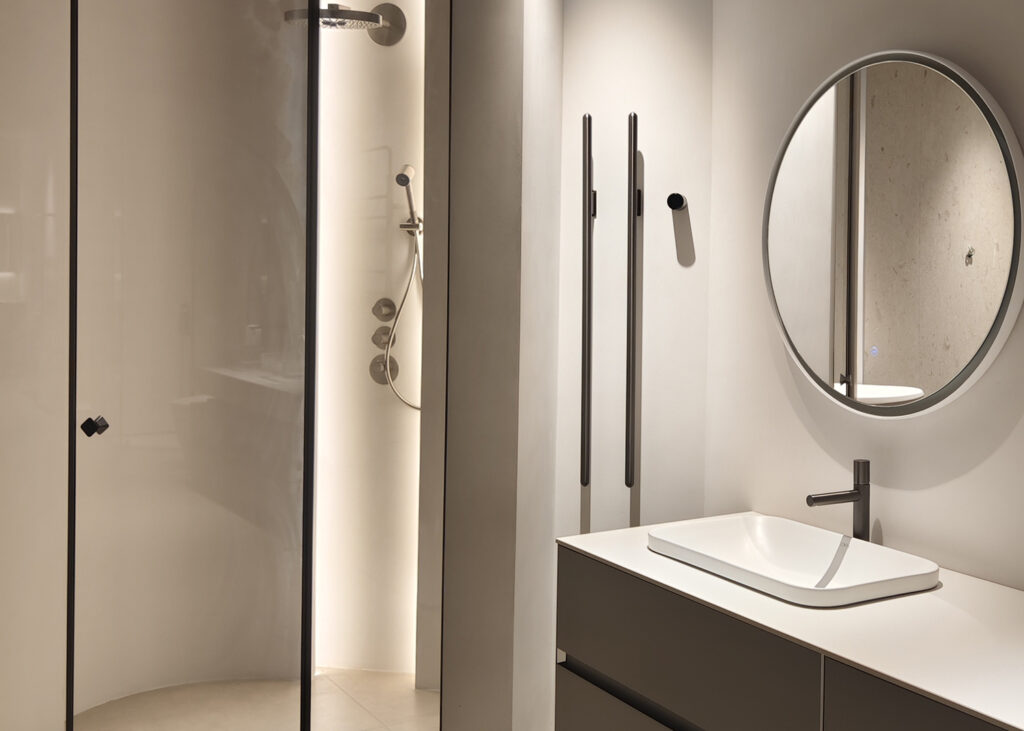
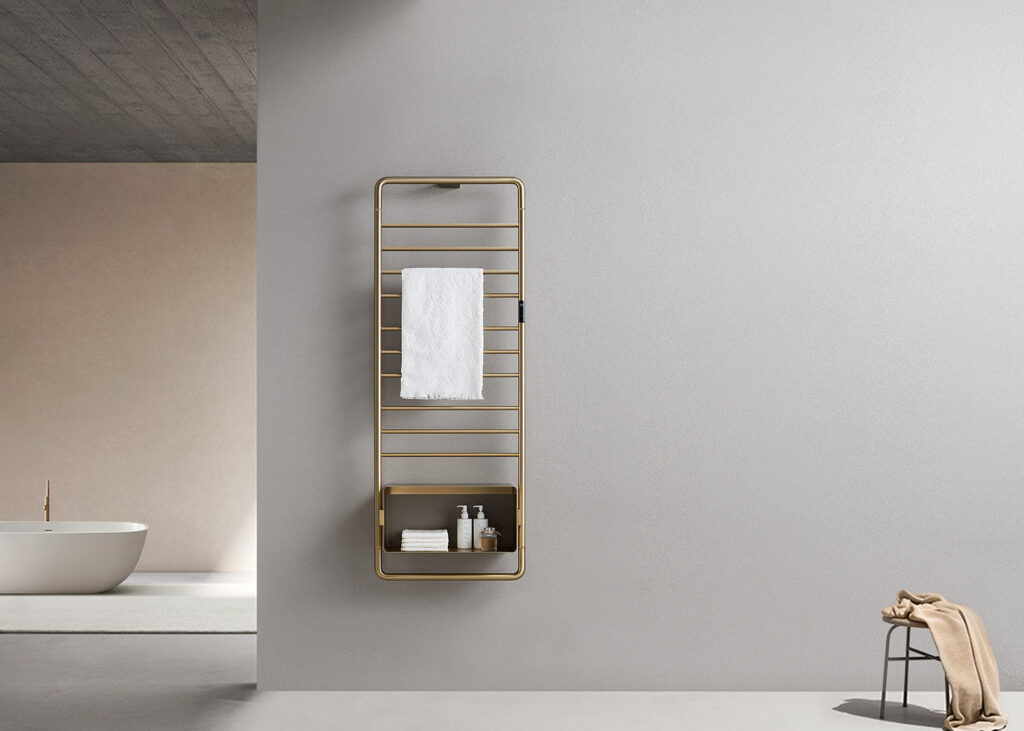
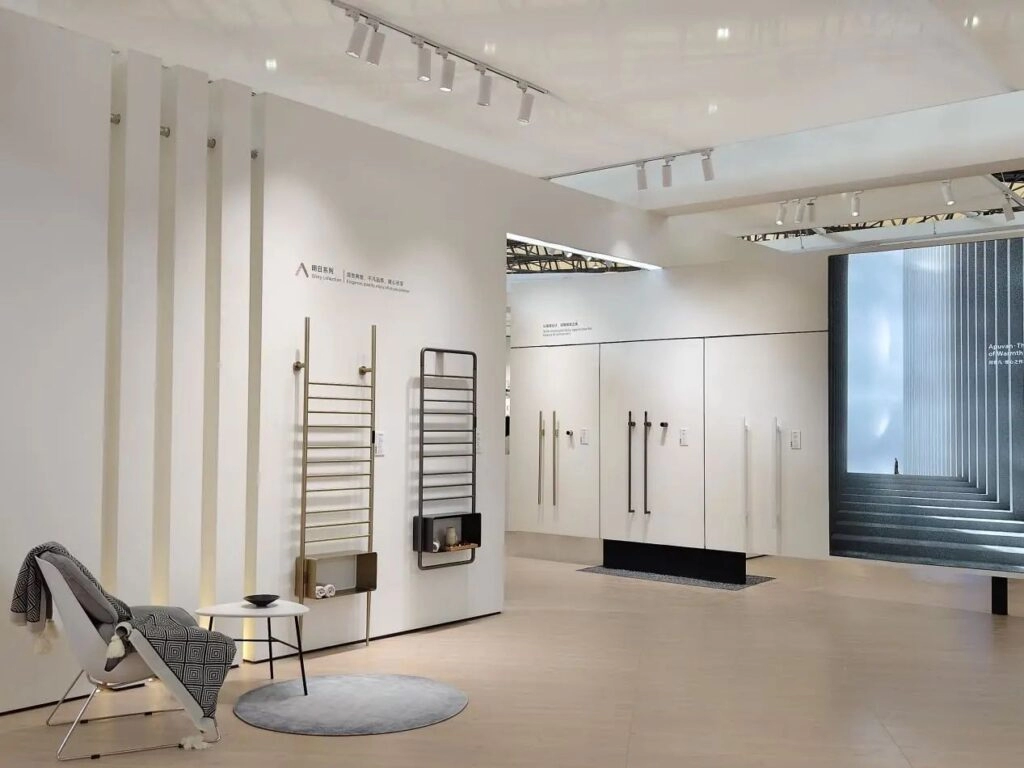
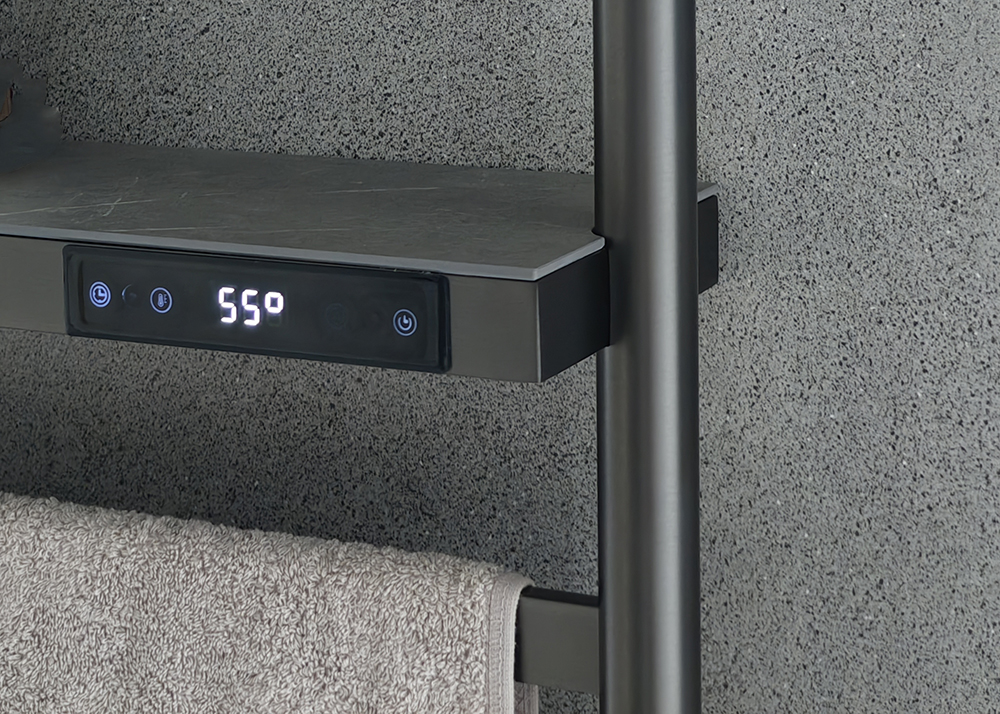
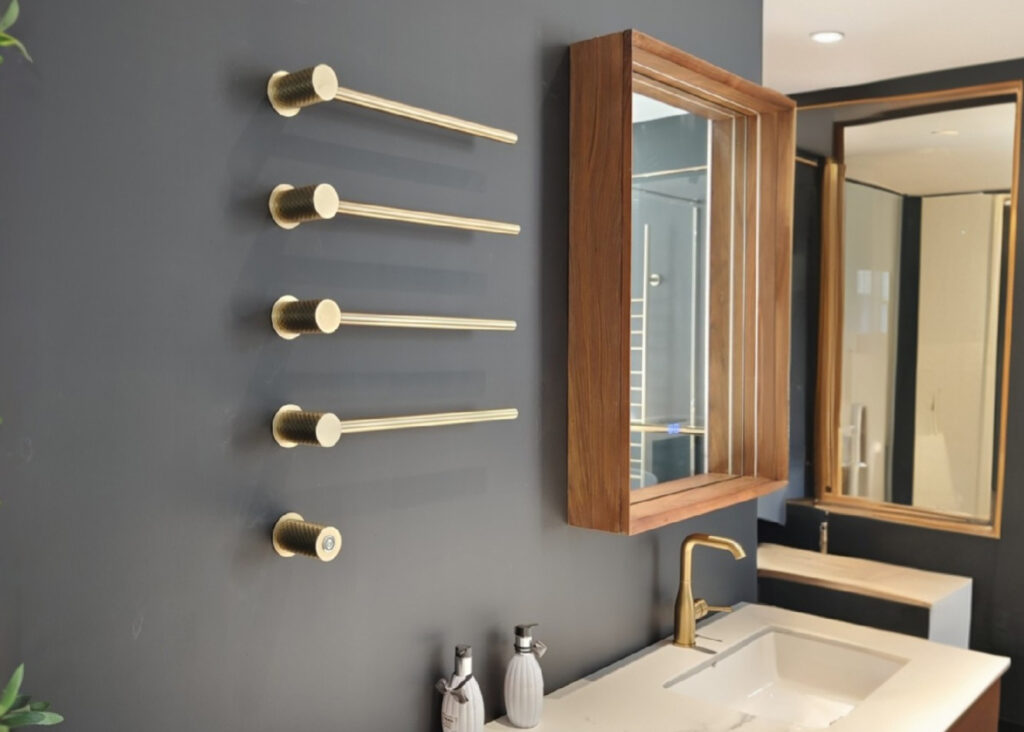
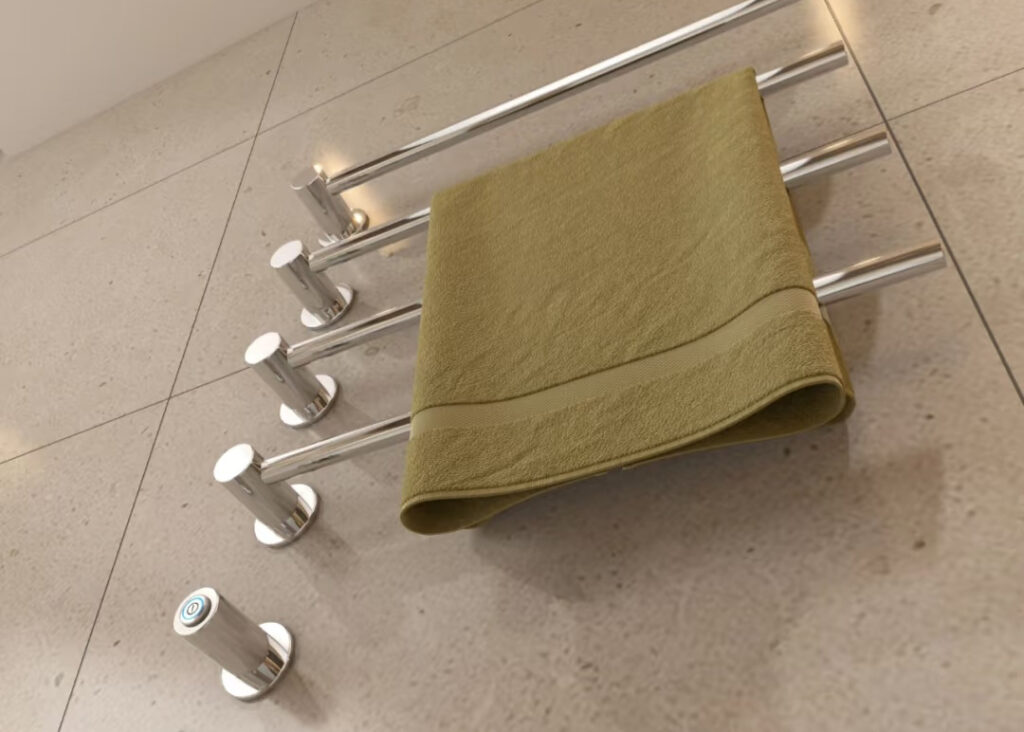
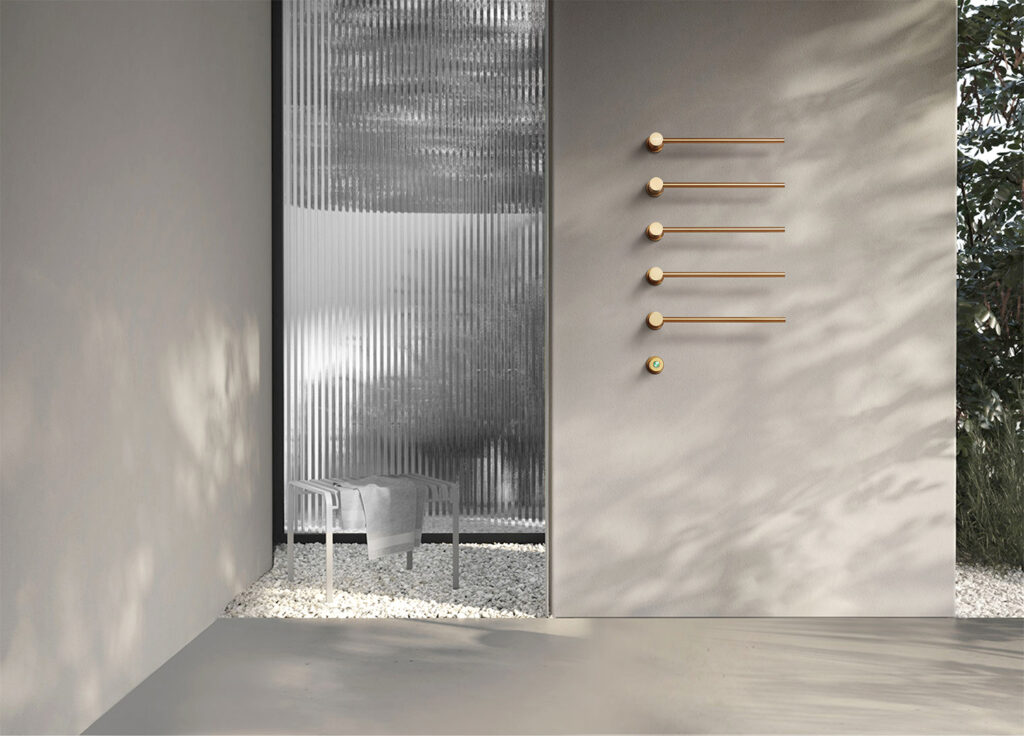
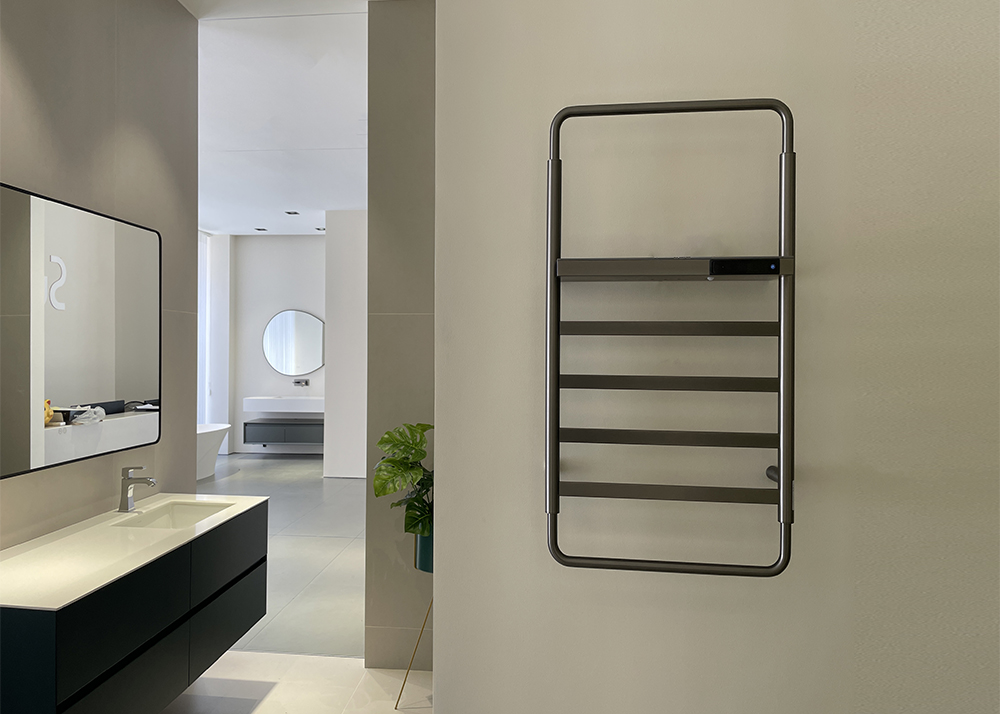
Built-In Modular Heated Towel Racks have emerged as a sophisticated fusion of functionality and modern design, reflecting the growing demand for seamless integration of technology into everyday living spaces. Characterized by their customizable configuration, these systems allow users to assemble units tailored to specific spatial requirements, combining heating elements with modular panels that can adapt to bathrooms of varying sizes. The integration of energy-efficient heating mechanisms—often utilizing low-voltage systems or smart temperature controls—ensures both practicality and sustainability, aligning with contemporary preferences for eco-conscious home solutions. Designers particularly appreciate the balance between minimalist aesthetics and technical innovation, as the streamlined profiles of these racks eliminate clutter while maintaining a sleek, architectural appeal that complements modern interiors.

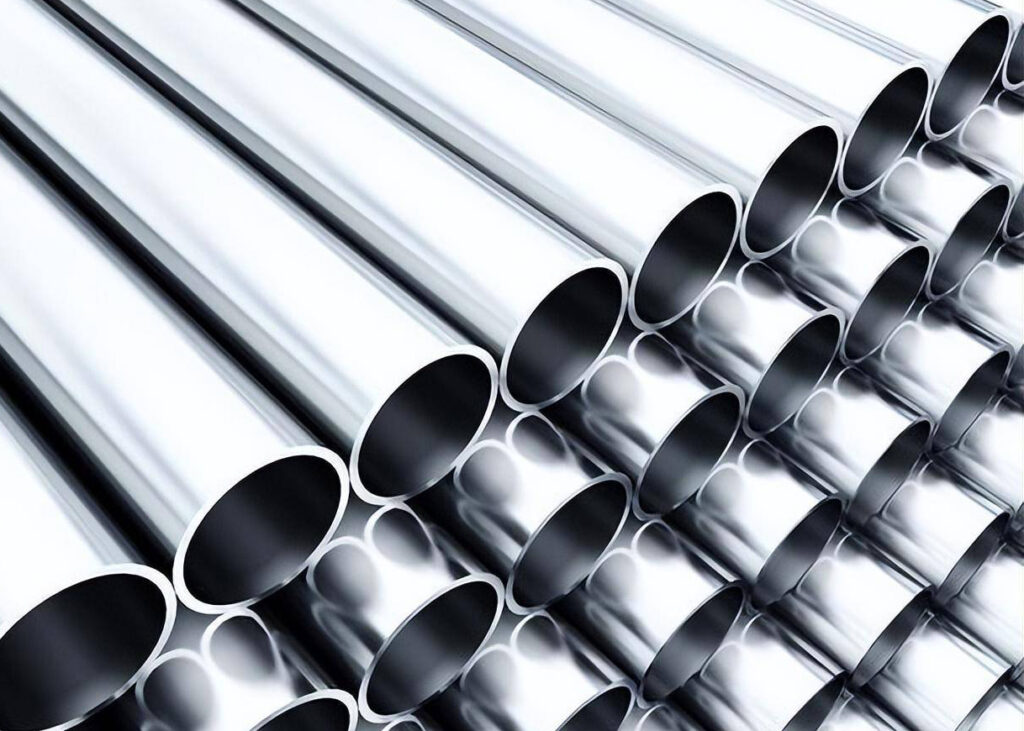
在城市住宅向灵活、节省空间的解决方案转变的大背景下,家居装置也呈现出内置模块化的趋势。加热毛巾架不再是单纯的公用设施,而是一种设计宣言,通常与墙壁空腔或定制橱柜结合在一起,创造出一种具有凝聚力的视觉语言。抗腐蚀合金或陶瓷涂层表面等先进材料在提高耐用性的同时,还能形成微妙的纹理对比,这对注重外形和使用寿命的设计师来说很有吸引力。此外,随着智能家居集成的兴起,这些系统越来越多地与支持物联网的控制装置搭配,使用户能够通过移动应用程序安排加热周期--这一功能既能引起精通技术的消费者的共鸣,又不影响产品的低调优雅。

设计师们对这些系统情有独钟,因为它们能够协调技术精确性与创作自由度。模块化的特性允许尝试不对称布局或混合材料组合,满足了个性化室内设计日益增长的需求。此外,隐藏式布线和嵌入式安装迎合了 "少即是多 "的理念,体现了将实用性与隐形工程相结合的现代主义精神。随着可持续发展成为产品设计的必备条件,模块化方法减少了制造过程中的材料浪费,实现了组件更换而非全系统废弃--这是一项符合道德和美学优先事项的循环经济原则。这种创新与克制的双重性使嵌入式模块化加热毛巾架成为当代室内设计中经久不衰的标志,在这里,温馨与巧思在与空间的无声对话中交融。