加热机制:核心技术差异
The heating method defines the key technical differences in towel warmers. Carbon fiber heating technology, currently dominating the market, offers rapid temperature rise (reaching optimal heat within 5-10 minutes) and uniform heat distribution. With over 90% thermal conversion efficiency and zero leakage risks, it represents the premium choice. Hydronic systems, while cost-effective initially, rely on heat-conducting liquid circulation that may degrade through evaporation or leakage over time, requiring higher maintenance costs. These suit budget-conscious users with low urgency for drying. Alloy wire heating is gradually phased out from premium markets due to poor temperature control and oxidation risks, remaining only in entry-level models.

材料工程:耐用性和用户体验
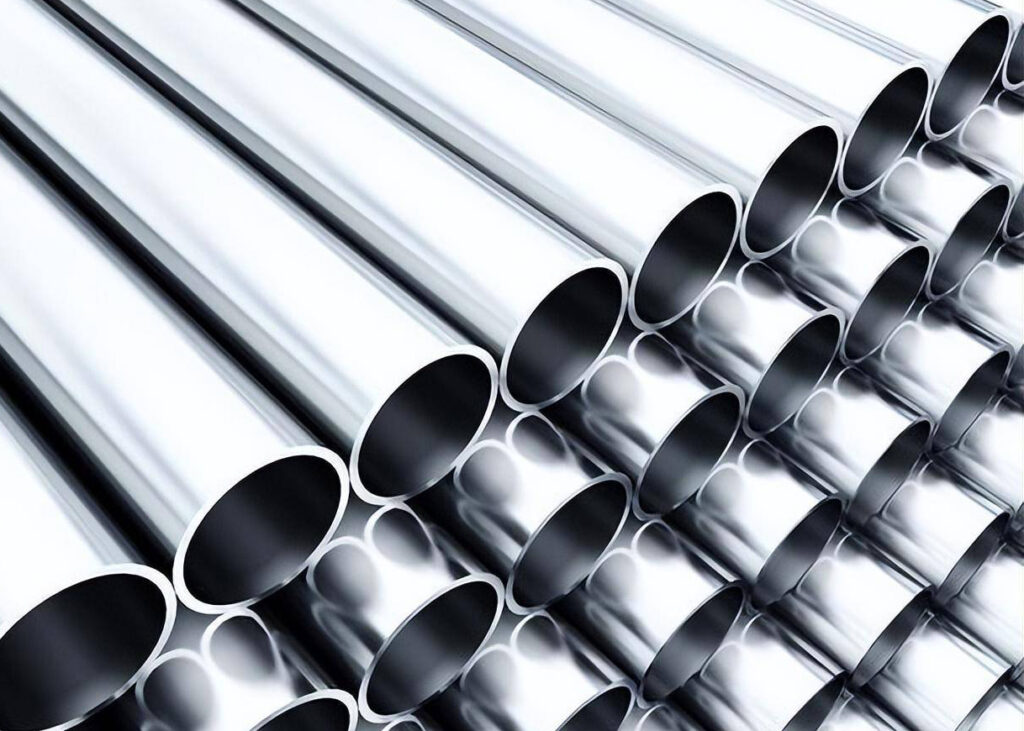
高级型号主要使用电镀拉丝处理的 304 不锈钢,表面耐腐蚀,在高湿度(相对湿度≥85%)下仍能保持完整性。这种材料的耐磨性比标准材料高出 3 倍。低碳钢变体虽然更容易焊接和加工,但在潮湿环境中的腐蚀率比粉末涂层表面高 40%。铜型号的导热性能优异(380-400 W/m-K),但需要每季度抛光一次以防止铜锈形成。新出现的铝合金具有轻质耐腐蚀性(表面密度为 1.5-2 千克/平方米),但 15 千克的承重能力有限,是辅助干燥的理想选择。

智能控制:新标准
现代中高端设备采用触摸屏控制器,具有精确的温度设置(45-65±1.5℃)和可编程定时器(1-8 小时/24 小时循环)。IPX4 防护等级的控制面板兼具直观操作和防溅功能,而旗舰机型则采用了物联网连接技术,可通过应用程序进行管理。传统的按键式控制通过简化操作(≤3 个控制节点)和延长 50,000 周期的机械耐用性,在老年用户中仍很受欢迎。

安装解决方案:建筑一体化
永久性墙面安装(渗透深度≥50 毫米)支持承重 30 公斤以上的重型应用。使用 VHB 粘合剂(初始粘合强度≥3.5MPa)的非侵入式选择可实现瓷砖安装,但在潮湿环境中需要每两年检查一次。对于施工前的规划,暗线系统可将电源线集成到墙壁空腔中(导管直径最小为 20 毫米),在电气粗加工阶段需要专用电路。每种方法都在结构完整性(12-30 千克范围)和安装可逆性之间做出了不同的权衡。